Windy Allan Font for Web Design
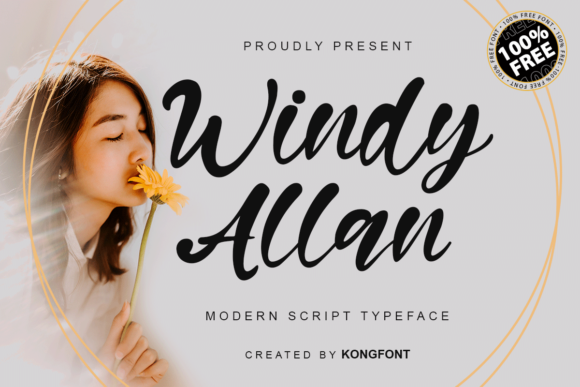
As a web designer, finding the right font can make or break a project. Windy Allan is a script font that brings a modern, authentic feel to digital design. Its flowing strokes and elegant curves make it ideal for creative branding, headers, and decorative elements. Whether you're working on a website, app interface, or social media graphic, Windy Allan adds personality without sacrificing clarity.
Visual Characteristics of Windy Allan
Windy Allan has a handwritten style with a casual yet refined appearance. The font features subtle variations in stroke weight, giving it a natural, organic look. It’s not overly ornate, which makes it versatile for both digital and print use. The font’s character set includes uppercase and lowercase letters, numbers, and basic symbols, making it suitable for a wide range of applications.
The font’s rhythm and spacing allow it to work well in both large and small sizes. On mobile screens, it maintains legibility while still offering a distinctive visual identity. For web designers, this means Windy Allan can be used effectively in headers, buttons, and short phrases without appearing cluttered or hard to read.
Applications in Web Design
Windy Allan excels in headings, logos, and section titles. Its script style draws attention, making it perfect for hero sections, call-to-action buttons, and landing page banners. When used as a logo font, it conveys creativity and approachability—ideal for boutique online stores, creative portfolios, or personal brand sites.
For digital product creators, Windy Allan works well in course sales pages, blog headers, and portfolio websites. Its soft, flowing lines complement modern UIs while adding a human touch. Pairing it with a clean sans serif font like Open Sans or Lato creates a balanced contrast, enhancing readability without overwhelming the user.
Readability and Visual Hierarchy
While Windy Allan is a decorative font, it doesn’t sacrifice readability. Its open counters and consistent stroke widths help maintain clarity even at smaller sizes. This makes it suitable for mobile-first designs where space is limited. When used in headers, it guides users through content by establishing a clear visual hierarchy.
On dark backgrounds, Windy Allan retains its legibility, but it’s best to avoid using it in long paragraphs. Instead, use it for short, impactful phrases that reinforce brand tone. In dark mode themes, the font’s contrast with the background enhances its visibility, making it a strong choice for night-time browsing experiences.
Best Use Cases for Windy Allan
Windy Allan shines in areas where a personal, artistic touch is needed. It’s excellent for creative portfolios, coaching websites, and SaaS landing pages that want to stand out. For online stores, it can be used in banners, product titles, or taglines to add a unique flair.
When designing for a digital brand kit, Windy Allan can serve as the primary display font. It pairs well with more structured fonts for body text, ensuring the overall design remains professional and cohesive. For social media graphics, its fluidity adds an engaging, eye-catching element that aligns with modern design trends.
Font Pairing and Design Integration
Pairing Windy Allan with a simple sans serif font creates a clean, modern look. This combination is ideal for websites that require both visual appeal and readability. For editorial-style designs, pairing it with a serif font like Georgia or Merriweather can create a more traditional, sophisticated feel.
When using Windy Allan in web design, consider the context. It works best as a highlight font rather than a body font. Use it sparingly to avoid visual overload. For example, on a product landing page, use it for the main headline and then follow with a simpler font for supporting text.
Practical Tips for Digital Use
Before implementing Windy Allan into your design, check the available styles and file formats. If it’s a freebie, ensure it includes all necessary weights and glyphs for your project. For web use, verify if it’s available as a webfont or if you need to convert it for use in CSS.
When using Windy Allan on image overlays or dark backgrounds, test it at different sizes to ensure it remains readable. For small buttons or icons, consider using a lighter weight or alternate version of the font to maintain clarity.
Commercial Licensing and Usage
If you’re using Windy Allan for client projects, online stores, or commercial websites, make sure to review the licensing terms. Some free fonts have restrictions on commercial use, so always confirm that the license allows for the intended application. For digital product creators, this ensures compliance and avoids legal issues down the line.
As a web designer, choosing the right font is part of building a strong brand identity. Windy Allan offers a unique blend of style and usability, making it a valuable addition to any design toolkit. Whether you're working on a creative portfolio or a SaaS landing page, it helps establish a distinct, memorable visual presence.